KMC at a Glance
Nepal uses the Nepalese Rupee (NPR). Exchange rates fluctuate, so always confirm the current INR-to-NPR rate before budgeting rather than relying on a fixed figure. Indian currency is widely accepted in border towns; ATMs and bank transfers are available in college cities. Local SIM cards (Ncell, Nepal Telecom) are available near most campuses and generally straightforward to get with a passport copy. Internet and WiFi availability varies by hostel/college — confirm specifics for a given college directly, since this isn’t uniform across all campuses.
About Kathmandu Medical College
Kathmandu Medical College (KMC) was established in 1997 and is among the earliest private medical colleges in Nepal. Affiliated to Kathmandu University, it is located in Sinamangal, close to Tribhuvan International Airport. KMC operates its own teaching hospital in addition to having a long-standing clinical affiliation with the Tribhuvan University Teaching Hospital (TUTH) for additional tertiary-care exposure.
For Indian students, KMC combines the advantage of a Kathmandu location — capital city, international airport, excellent connectivity — with a Kathmandu University degree that carries academic recognition. The college's long history means a well-established Indian alumni network across multiple batches.
Why Choose KMC?
- Among the oldest private medical colleges in Nepal (est. 1997).
- Kathmandu University affiliation — one of Nepal's top autonomous universities.
- Capital city location — TIA (international airport) is minutes away.
- Dual clinical exposure: own hospital + access to TUTH for complex cases.
- Strong multi-decade Indian alumni base.
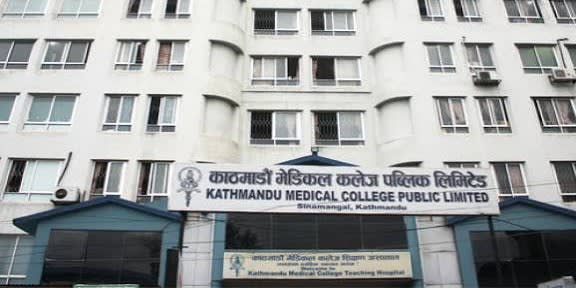
Kathmandu Medical College Teaching Hospital, Sinamangal
Kathmandu Medical College Teaching Hospital, Sinamangal — the primary clinical training ground for KMC students.
A large multi-speciality teaching hospital in Kathmandu with a functional trauma unit, proximity to the airport, and high patient volumes from a capital-city catchment.
KMC — Pros & Cons
Pros
- One of the oldest and most established private colleges in Nepal
- KU affiliation and strong alumni base
- Capital city — best connectivity to India
- High-volume teaching hospital with trauma centre
Cons
- Highest fee range among Nepal private colleges
- Kathmandu living costs are higher than other Nepal cities
- Competitive for Indian paying seats
Should You Choose This College?
Coming SoonOur team hasn't scored KMC yet — check back soon, or explore the detailed sections below.
Our Honest Assessment of KMC
Kathmandu Medical College (KMC) was established in 1997 — making it among the pioneering private medical colleges in Nepal — and has been affiliated to Kathmandu University since its founding. Its Sinamangal location, close to Tribhuvan International Airport, gives it a geographic convenience that directly affects the lived experience of Indian students: a taxi from TIA to KMC takes under 15 minutes, and students arriving from or departing for any Indian city spend the least transit time in Nepal of virtually any college in the country.
The KMC Teaching Hospital at Sinamangal has grown considerably since 1997 and now operates 700-plus beds with a functional trauma and emergency centre. The airport adjacency contributes clinically as well as logistically: trauma and road accident presentations are frequent in the catchment, giving students more acute emergency exposure than is typical for a single private college hospital. KMC also benefits from Kathmandu University's academic structure — one of Nepal's most rigorous university frameworks — which shapes the curriculum and examination standards across all departments.
The main qualification in recommending KMC is cost: at the upper range of Nepal private-college fees, it is a premium-priced option. Students choosing KMC are buying the full package — KU affiliation, long history, high-volume hospital, and the single best airport connectivity in Nepal. If budget constraints exist, the same KU affiliation can be found at KUSMS (Dhulikhel) or Nepal Medical College (Attarkhel) at modestly lower fee points, though with different geographic trade-offs.
Ready to apply to KMC?
Share your NEET score and budget — a counsellor confirms fees, seats and your next step. Free, no obligation.
KMC MBBS Fees 2026
≈ ₹14,30,000/year · ₹1,19,167/month
KMC fees are among the higher end for Nepal private colleges, reflecting its Kathmandu location and KU affiliation. Indicative 2026 figures; confirmed during counselling.
Hospital Statistics & Clinical Infrastructure
Kathmandu Medical College Teaching Hospital, Sinamangal — the primary clinical training ground for KMC students.
A large multi-speciality teaching hospital in Kathmandu with a functional trauma unit, proximity to the airport, and high patient volumes from a capital-city catchment.
The 5.5-Year Clinical Journey
Pre-Clinical Foundation
- Anatomy — cadaver dissection
- Physiology & Biochemistry labs
- Early hospital orientation visits
Para-Clinical & Ward Introduction
- Pathology, Pharmacology, Microbiology
- Community Medicine fieldwork
- First structured ward postings
Clinical Postings Begin
- Medicine, Surgery, OBG, Pediatrics rotations
- Bedside clinical skills training
- Patient history-taking & examination
Major Clinical Departments
- Orthopedics, ENT, Ophthalmology, Psychiatry
- Sub-speciality exposure
- Case presentations & clinical assessments
Compulsory Rotating Internship
- Emergency & night duty postings
- Hands-on management of real patients under supervision
- Rotations across all major departments before graduation
Inside the Teaching Hospital
Coming SoonCampus photos for this college are on the way.
What to Expect at KMC
KMC Teaching Hospital at Sinamangal operates across all MBBS-required clinical departments, with a 700-plus-bed capacity and daily OPD attendance routinely exceeding 1,500. The hospital's position near TIA generates a significant volume of road accident, trauma, and burn cases that enrich the surgical and emergency medicine experience. The obstetrics and gynaecology ward carries one of the higher delivery loads among Kathmandu private hospitals, providing strong practical exposure for O&G postings. The NICU and paediatric departments are well-staffed and provide the full range of paediatric presentations expected in an urban referral facility.
KMC students also benefit from access to TUTH (Tribhuvan University Teaching Hospital) for supplementary tertiary-care clinical exposure — a relationship that adds complexity and variety beyond what any single private hospital can provide. This dual clinical environment is one of KMC's strongest differentiators relative to other KU-affiliated Kathmandu colleges. Alumni consistently highlight the surgical and obstetrics rotations as particularly formative in FMGE preparation.
Departments & Specialities
Facilities & Campus
- Central library with digital subscriptions
- Modern anatomy and pathology labs
- Hostel blocks for boys and girls
- Mess with multi-cuisine options
- Campus Wi-Fi
- Sports facilities
Meet the Teaching Faculty
Coming SoonFaculty profiles for this college are being added.
Indian Student Experience at KMC
For Indian students, KMC's Sinamangal location is the most practically convenient of any Nepal medical college. Tribhuvan International Airport is 2–4 km away — parents can visit on a weekend flight from Delhi or Mumbai without the college feeling remote. The Sinamangal area has good restaurants, shops, and transport connections into Kathmandu city. Hindi is universally understood, and the Indian student community at KMC spans nearly three decades of batches.
The KMC alumni network is one of the broader ones among Nepal private colleges, given its 27 years of operation. Students benefit from a well-organised senior community that provides FMGE guidance, clinical posting advice, and hostel and accommodation orientation. The diversity of the Indian student cohort — representing states from across India — creates a socially rich peer environment that many students describe as one of the highlights of their KMC experience.
Hostel & Food
KMC provides hostel accommodation for both male and female students near the Sinamangal campus. Mess facilities serve Indian-style vegetarian and non-vegetarian meals. The hostel community is large and diverse, reflecting the sizable Indian student intake that KMC has maintained across its nearly three decades. Students describe the hostel environment as lively and well-networked.
Kathmandu's urban character means hostel life is supplemented easily by a wide variety of city dining and entertainment options. Sinamangal itself has enough local restaurants and cafes that students rarely need to travel far for food and amenities beyond the mess.
Campus Life
The KMC campus in Sinamangal is well-established with a central library, modern anatomy and pathology laboratories, and sports facilities. The Sinamangal area is commercially active — cafes, restaurants, and markets are nearby — and the broader urban infrastructure of Kathmandu is accessible by frequent public transport. The campus environment balances academic focus with the benefits of a capital-city location.
Where You'll Live
Coming SoonCampus photos for this college are on the way.
Dining & Mess Photos
Coming SoonCampus photos for this college are on the way.
Around the Campus
Coming SoonCampus photos for this college are on the way.
Labs & Practical Training
Coming SoonCampus photos for this college are on the way.
Lecture Halls & Classrooms
Coming SoonCampus photos for this college are on the way.
Should You Choose KMC?
Kathmandu Medical College is the strongest choice for Indian MBBS aspirants who want the specific combination of Kathmandu University credentialing, a large and clinically active teaching hospital, and the maximum airport connectivity of any Nepal MBBS college. The fee is at the upper end for Nepal private colleges, but what students receive — KU affiliation, 27 years of alumni history, and a trauma-centre hospital metres from Nepal's international airport — justifies the premium for the right profile. Book a free counselling session to assess whether KMC is the right fit for your NEET score, budget, and priorities.
What Students & Parents Say About KMC
Coming SoonStudent, parent, and alumni reviews for this college are being collected.
Nearest Airport & How to Reach
Tribhuvan International Airport (TIA) — Nepal’s only international airport, with direct flights from several Indian cities.
Tribhuvan International Airport, Kathmandu (approx. 2–4 km)
KMC is one of the closest Nepal medical colleges to an international airport — TIA is minutes away by road. Direct flights connect Kathmandu to all major Indian cities.
What You'll Need
Passport
Valid for at least 12 months, with sufficient blank pages.
NEET UG Scorecard
Official scorecard from the current admission cycle.
Class 10 Marksheet & Certificate
Original + attested photocopies.
Class 12 Marksheet & Certificate
Original + attested photocopies, PCB stream.
Birth Certificate
Original or notarized copy.
Medical Fitness Certificate
From a registered physician, issued close to travel date.
Student Visa
Processed after admission confirmation — the college/counsellor guides this step.
Passport-size Photographs
Multiple copies, per the college’s specified format.
Police Clearance Certificate
Required by some colleges/visa categories — confirm with counsellor.
Brochures & Guides
Coming SoonBrochures and guides for this college will be available here soon.
KMC — Frequently Asked Questions
No. Kathmandu Medical College (KMC) is a separate institution from KUSMS (Dhulikhel) and Nepal Medical College (Attarkhel). All three are affiliated to Kathmandu University but are distinct colleges in different locations.
Annual tuition is indicatively around ₹6.5L, with an all-in estimate of ₹38–43L over 5.5 years. These are indicative figures; confirmed fees are shared during a free counselling session.
Yes. Kathmandu Medical College is fully recognised by NMC (India), NMC Nepal, and WHO/WDOMS.
Yes. Kathmandu Medical College is fully recognised by NMC (India), NMC Nepal, and listed with WHO/WDOMS. Its MBBS degree qualifies graduates for FMGE/NExT.
KMC Sinamangal is approximately 2–4 km from Tribhuvan International Airport — the closest Nepal medical college to TIA. Travel time is under 15 minutes by taxi.
Both are KU-affiliated and NMC-approved. KMC is older (1997) and slightly closer to TIA; NMCTH has a larger hospital (750+ vs 700+ beds). Both are strong choices — the right one depends on your NEET score, budget, and specific priorities. Our counsellors compare both during a free session.
KMC is competitive. A NEET score of 300–460+ is indicatively required for Indian paying seats, though this varies by year. Our counsellors confirm the current 2026 position during a free session.
Compare With Other Nepal Colleges
| Compare | KMC |
|---|---|
| City | Sinamangal, Kathmandu |
| Type | Private |
| Established | 1997 |
| MBBS Seats | 43 |
| Tuition / Year | ₹9-11L |
| Hostel + Mess / Year | ₹4L |
| Hospital Beds | 700+ |
| Recognition | NMC (India), NMC Nepal, WHO / WDOMS |
| Rating | 4.3/5 |
Explore More
Other NMC-Approved Colleges in Nepal
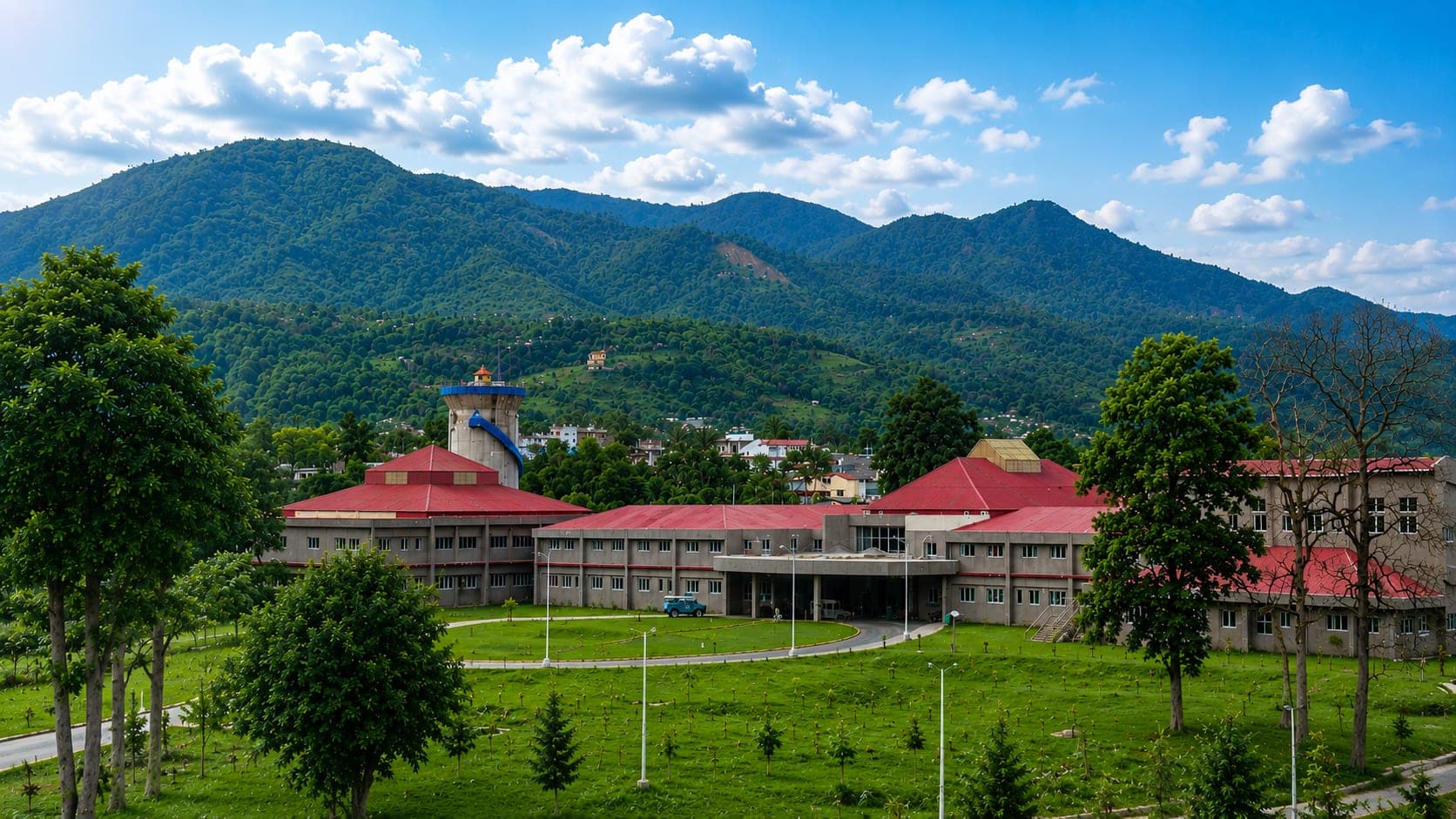

BPKIHS
Dharan, Koshi Province
An autonomous, government-funded health sciences university in Dharan.

KUSMS
Dhulikhel, Bagmati Province
The medical school of Kathmandu University at Dhulikhel, run in partnership with the well-known Dhulikhel Hospital — a strong academic option within easy reach of Kathmandu.
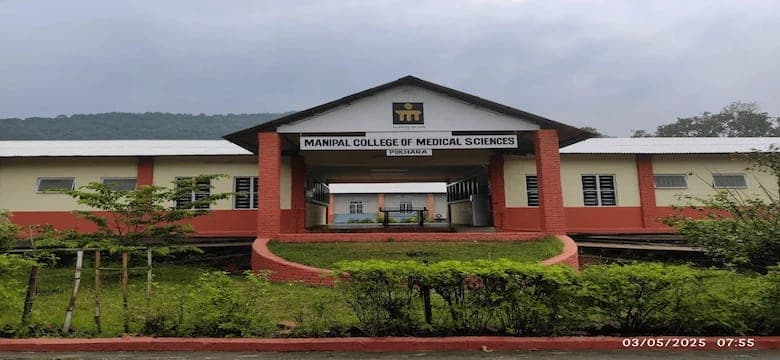

Manipal Pokhara
Pokhara, Gandaki Province
A long-established private medical college in the tourist city of Pokhara, affiliated to Kathmandu University and part of the Manipal education legacy — popular with Indian students for its large teaching hospital and familiar academic system.
Considering KMC? Apply and talk to a counsellor first.
We match your NEET score, budget and priorities to the right college — fees, eligibility and the full 2026 admission process in one free call.